

Bilet Fiyatları, Aşırı Sıcaklar ve Siyaset: 2026 Dünya Kupası Başlamadan Tartışılıyor
2 Haziran 2026
2026 FIFA Dünya Kupası henüz başlamadan bilet fiyatları, ulaşım maliyetleri, aşırı sıcak hava koşulları ve siyasi gerilimlerle gündemde. Tarihin en büyük Dünya Kupası, aynı zamanda en tartışmalı organizasyonlardan biri olmaya aday görünüyor.
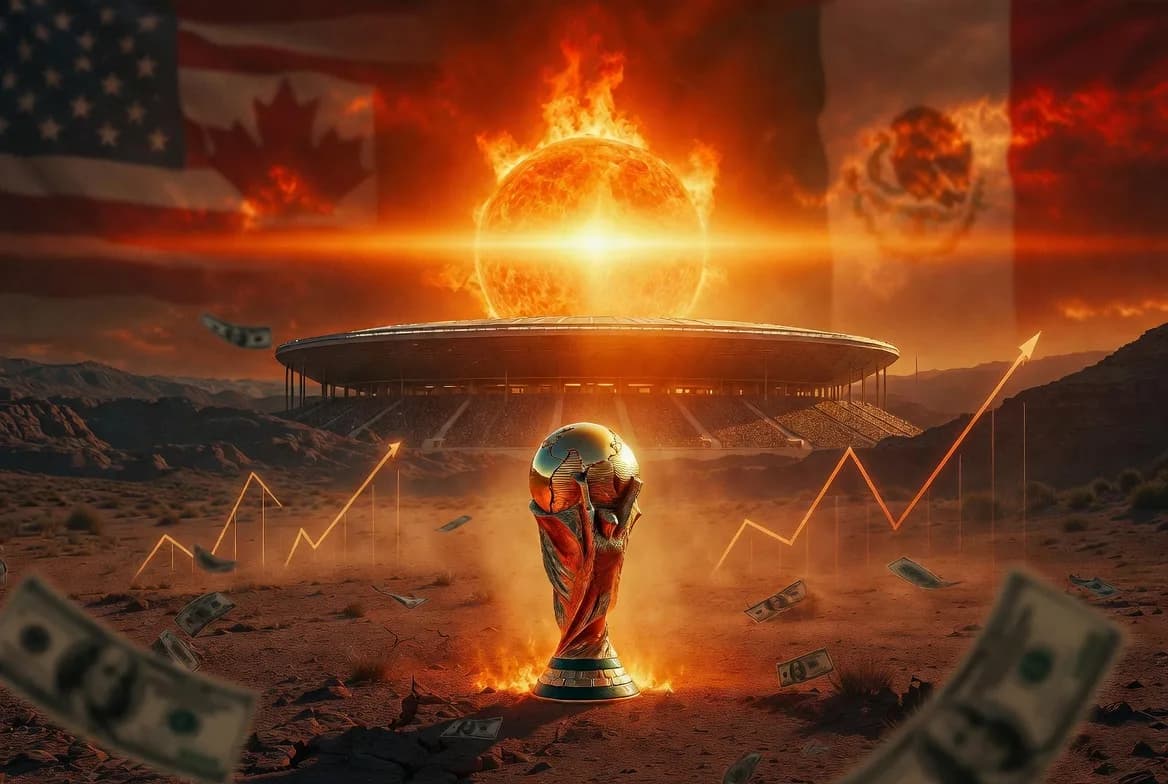
2026 Dünya Kupası Neden Tarihin En Tartışmalı Turnuvası Olabilir?
Dünya Kupası denildiğinde akla genellikle futbol şöleni, unutulmaz maçlar ve küresel heyecan gelir.
Ancak 2026 FIFA Dünya Kupası henüz başlamadan farklı nedenlerle gündemin merkezine oturmuş durumda.
11 Haziran'da başlayacak ve 19 Temmuz'a kadar sürecek olan turnuva, futbol tarihinin en büyük organizasyonu olacak. İlk kez 48 takımın mücadele edeceği Dünya Kupası; Amerika Birleşik Devletleri, Kanada ve Meksika'nın ortak ev sahipliğinde düzenlenecek.
Fakat turnuva öncesinde konuşulan konuların önemli bir bölümü sahadaki futboldan çok bilet fiyatları, ulaşım maliyetleri, aşırı sıcak hava koşulları ve siyasi gelişmeler etrafında şekilleniyor.
Peki 2026 Dünya Kupası neden şimdiden tarihin en tartışmalı turnuvalarından biri olarak görülüyor?
Tarihin En Büyük Dünya Kupası
Öncelikle organizasyonun büyüklüğüne bakmak gerekiyor.
2022 Katar Dünya Kupası'nda:
32 takım
64 maç
yer almıştı.
2026'da ise:
48 takım
104 maç
16 şehir
3 ev sahibi ülke
olacak.
FIFA, turnuvanın daha kapsayıcı olmasını ve daha fazla ülkenin Dünya Kupası deneyimi yaşamasını hedefliyor.
Ancak bu büyümenin beraberinde önemli lojistik ve organizasyonel sorunlar getirdiği de tartışılıyor.
Rekor Seviyedeki Bilet Fiyatları
Turnuva öncesindeki en büyük eleştiri bilet maliyetleri.
Özellikle finalin oynanacağı New York/New Jersey bölgesinde maç izlemek isteyen taraftarların karşılaştığı rakamlar dikkat çekiyor.
Yapılan hesaplamalara göre yalnızca:
İki gecelik konaklama
Tek bir maç bileti
yaklaşık 2.000 dolarlık maliyet oluşturabiliyor. Üstelik buna ulaşım masrafları dahil değil.
Maçların oynanacağı stadyumlara ulaşım için kullanılan tren ve otobüs biletlerinde de ciddi fiyat artışları yaşandığı belirtiliyor.
Bu durum ABD'nin New York ve New Jersey eyaletlerinde resmi inceleme başlatılmasına kadar uzandı. Yetkililer FIFA'nın taraftarları "aşırı yüksek fiyatlarla" karşı karşıya bırakıp bırakmadığını araştırıyor.
FIFA Başkanı Gianni Infantino ise fiyatların yoğun talebi yansıttığını savunuyor.
Infantino'ya göre turnuva için yaklaşık 500 milyon bilet talebi oluştu ve bu rakam önceki iki Dünya Kupası'nın toplam talebinin çok üzerinde.
Aşırı Sıcaklar Oyuncuları Tehdit Ediyor
Tartışmaların ikinci büyük başlığı ise iklim koşulları.
Bilim insanları tarafından FIFA'ya gönderilen açık mektupta, Dünya Kupası'nda kullanılacak 16 stadyumun 14'ünde potansiyel olarak tehlikeli sıcaklık seviyelerine ulaşılabileceği belirtildi.
Özellikle:
Güney ABD
Kuzey Meksika
bölgelerinde sıcaklıkların 30 derecenin oldukça üzerine çıkması bekleniyor.
Bu nedenle FIFA yeni önlemler aldı.
Turnuvadaki her maçta her devrede zorunlu üç dakikalık serinleme molası uygulanacak. Ancak bazı uzmanlar bunun yeterli olmadığını ve sürenin en az altı dakikaya çıkarılması gerektiğini savunuyor.
Futbol Maçları Dört Periyotlu Hale Mi Gelecek?
Sıcak hava önlemlerinin oyunun yapısını değiştirebileceği de konuşuluyor.
The Athletic yazarı Adam Crafton'a göre serinleme molaları, maçları fiilen dört bölüme ayırabilir.
Bu durum teknik direktörlerin taktik planlarını etkileyebileceği gibi yayıncı kuruluşlar için de yeni reklam fırsatları yaratabilir.
Bazı eleştirmenler, FIFA'nın oyuncu sağlığı kadar ticari gelirleri de düşündüğünü savunuyor.
Futbol ve Siyaset Bir Kez Daha Karşı Karşıya
2026 Dünya Kupası'nın en hassas tartışma başlıklarından biri ise siyaset.
Turnuvaya katılan ülkelerden biri olan İran ile Amerika Birleşik Devletleri arasındaki gerilim, organizasyon öncesinde yoğun şekilde konuşuluyor.
Haberlere göre İran Milli Takımı'nın ABD'de kalmasına izin verilmeyecek ve takım Meksika'da konaklayacak.
Ayrıca İranlı taraftarların turnuvaya erişimi konusunda da çeşitli kısıtlamalar gündeme geliyor.
Bunun yanında:
Vize süreçleri
Sınır kontrolleri
Göç politikaları
gibi konular da taraftarların seyahat planlarını etkileyebilecek faktörler arasında gösteriliyor.
Dünya Kupaları ve Tartışmalar Yeni Değil
Aslında Dünya Kupası'nın tartışmalarla anılması yeni bir durum değil.
2018 Rusya Dünya Kupası ve 2022 Katar Dünya Kupası da organizasyon öncesinde yoğun eleştirilere maruz kalmıştı.
Katar'da özellikle:
İnsan hakları
İşçi hakları
Kadın hakları
konuları gündemin merkezindeydi.
Ancak birçok gözlemciye göre turnuva başladıktan sonra futbolun kendisi tüm tartışmaların önüne geçti.
Bu nedenle 2026 Dünya Kupası için de benzer bir senaryonun yaşanabileceği düşünülüyor.
Futbol Her Şeyi Unutturabilecek Mi?
Bugün itibarıyla 2026 Dünya Kupası hakkında konuşulan başlıkların önemli kısmı saha dışı konular.
Bilet fiyatları, sıcak hava riskleri, lojistik problemler ve siyasi gerilimler organizasyonun üzerinde ciddi bir baskı oluşturuyor.
Ancak geçmiş Dünya Kupaları bize önemli bir gerçeği gösterdi:
İlk düdük çaldığında gündem hızla değişebiliyor.
Messi'nin büyüsü, Mbappé'nin hızı, Bellingham'ın liderliği veya yeni bir sürpriz ülkenin hikâyesi çoğu zaman tüm tartışmaların önüne geçebiliyor.
Sonuç
2026 FIFA Dünya Kupası, tarihin en büyük futbol organizasyonu olmaya hazırlanıyor.
48 takım, 104 maç ve üç ev sahibi ülkeyle turnuva birçok ilke sahne olacak.
Ancak aynı zamanda yüksek maliyetler, iklim riskleri ve siyasi tartışmalar nedeniyle son yılların en çok eleştirilen Dünya Kupalarından biri konumunda.
Şimdi tüm dünyanın merak ettiği soru şu:
İlk maç başladığında insanlar hâlâ bilet fiyatlarını ve siyasi tartışmaları mı konuşacak, yoksa her Dünya Kupası'nda olduğu gibi futbol yine her şeyin önüne mi geçecek?
Kaynak
Kaynak: Channel 4 News & The Athletic (2 Haziran 2026). Dünya Kupası öncesi bilet fiyatları, iklim koşulları ve siyasi tartışmalar üzerine değerlendirme.
📊 Futbolu verilerle keşfedin.
Dünya Kupası takımlarını karşılaştırın, oyuncu performanslarını analiz edin ve gelişmiş futbol istatistiklerine ücretsiz erişin.
⚽ Takım Karşılaştırmaları
📈 Oyuncu Analizleri
🎯 Benzer Oyuncu Bulma
🔍 Gelişmiş Futbol Verileri
StatsLook.com — SIMULATE. ANALYZE. OWN THE GAME.